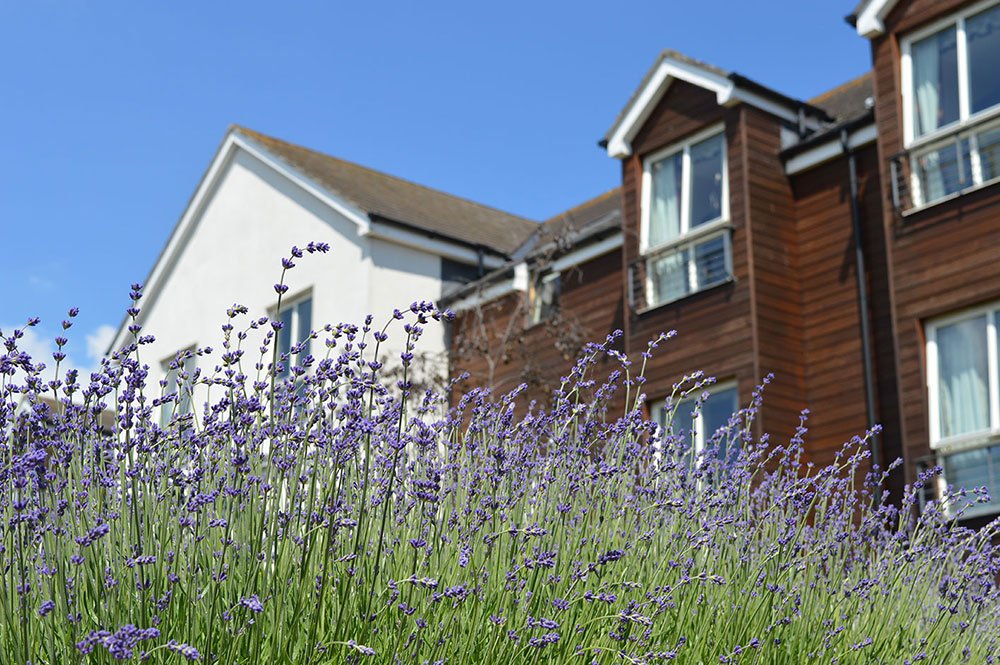
Lavender Court Care Home
Fire Engineering Support for External Wall Cladding
Client: Somerset Care
Location: Taunton, Somerset
Sector: Healthcare
Completion: 2025
Overview
Lavender Court Care Home engaged our fire engineering consultancy to support ongoing external wall cladding works. As the works were not subject to the usual Building Control or Approved Inspector process, the project demanded a bespoke approach focused entirely on fire safety legislation compliance. Our role was to guide the client through design development and construction, ensuring the project met the Regulatory Reform (Fire Safety) Order 2005 (FSO) and relevant best practice guidance.
The challenge
The core challenge was that the cladding works fell outside the scope of statutory Building Control oversight. This placed full responsibility for demonstrating fire safety compliance on the client under the FSO. In this context, the design and construction teams needed expert fire safety input to align the project with Approved Document B (Vol. 2) and BS 9999:2015. Additionally, the works were live but temporarily suspended, requiring urgent, coordinated consultancy input to maintain progress and compliance.
Our Approach
Our team provided end-to-end consultancy from RIBA Stage 3 through to Stage 5. Key elements of our approach included:
- Acting as the client’s fire safety advisor within the Design Team without taking design responsibility.
- Conducting a Qualitative Design Review of the architectural proposal to assess fire safety suitability.
- Developing a Fire Strategy Report to guide safe material specification, detailing, and installation methods.
- Attending Design Team meetings and collaborating with stakeholders including the contractor and AtkinsRéalis.
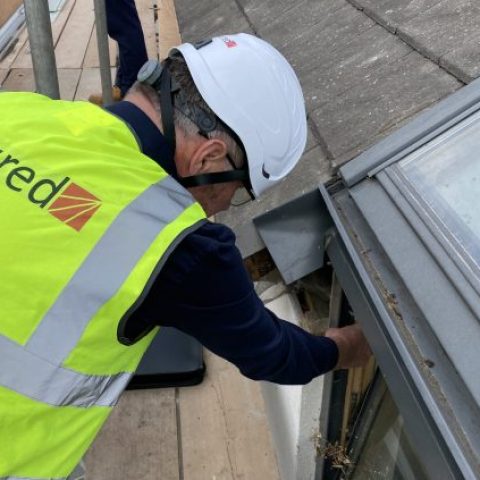
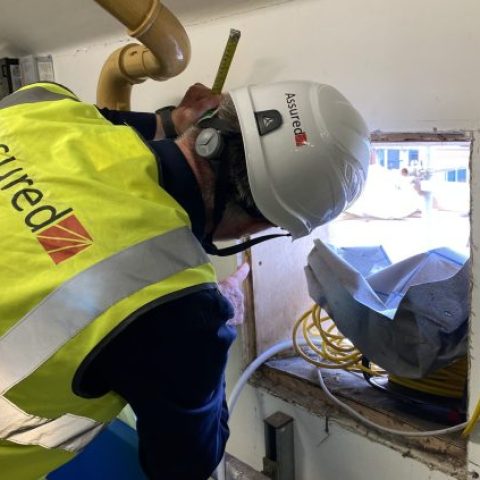
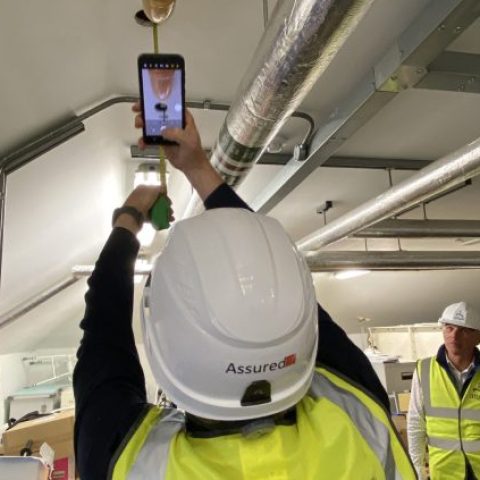
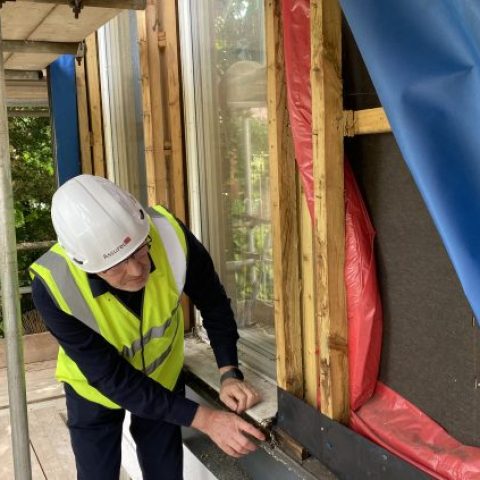
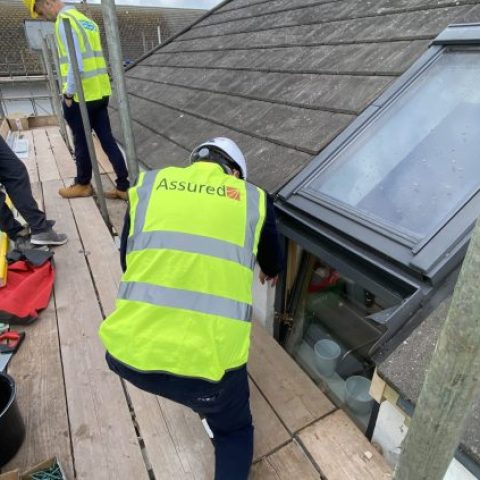
- Performing bi-weekly site inspections during first and second fix stages, issuing QA reports within 5 days of each visit.
- Reviewing As-Built drawings, Regulation 38 documentation, and advising on commissioning processes.
- Completing a Pre-Occupation Fire Risk Assessment and providing usage recommendations, particularly related to the external envelope.
the outcome
- Compliance Assurance: A documented fire strategy and regular inspections ensured alignment with FSO obligations and best practice.
- Improved Oversight: Independent site inspections supported quality assurance and reduced fire risk through the construction phase.
- Client Confidence: Ongoing advice allowed the client to make informed decisions in a non-regulated but high-risk environment.
- Occupational Safety: A pre-occupation fire risk assessment ensured readiness for safe use of the building post-completion.
Conclusion
- Early fire engineering involvement is critical when works fall outside of traditional building control pathways.
- Ongoing collaboration between fire engineers, contractors, and designers helps ensure continuity and compliance.
- A proactive QA and reporting structure provides essential evidence of fire safety due diligence in the absence of statutory approval.
- Healthcare environments such as care homes require enhanced scrutiny and clear documentation to protect vulnerable occupants.
Customer Feedback