Blogs
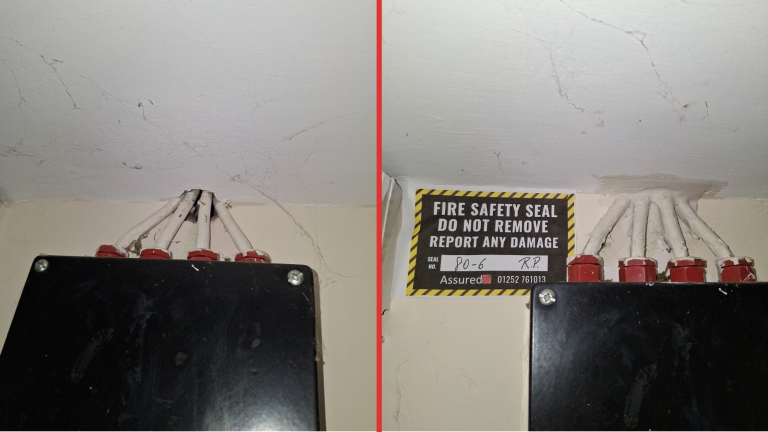
Fire Stopping: More Than Just Sealing a Gap
Fire Stopping: More Than Just Sealing a Gap When services such as pipes, cables and ductwork pass through fire-resisting walls and floors, they create openings

Fire Stopping: More Than Just Sealing a Gap When services such as pipes, cables and ductwork pass through fire-resisting walls and floors, they create openings

Compartmentation in Residential Buildings: From Survey Findings to a Manageable Remedial Programme For housing associations and local authorities, maintaining effective fire compartmentation across a residential

Retrospective Fire Strategy for Existing Buildings: Why They Matter and How they Help reduce costs When a new building is designed, fire safety is considered

You’re the responsible person — but what are you actually responsible for? Being named as the Responsible Person can feel like a significant responsibility —

Understanding School Fire Safety: How the right advice can save schools money in the long term For schools, fire safety is about far more than
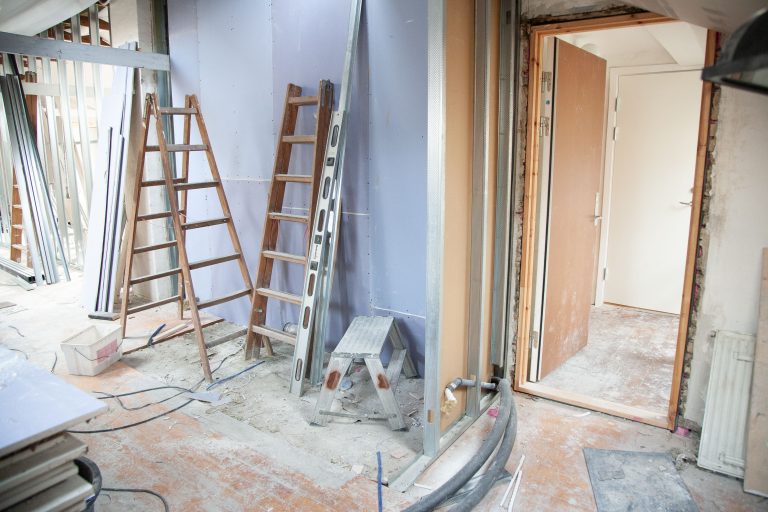
Fire Safety During Refurbishments: The Risks that appear before the building work is finished Refurbishment projects are often exciting opportunities to improve, modernise and extend
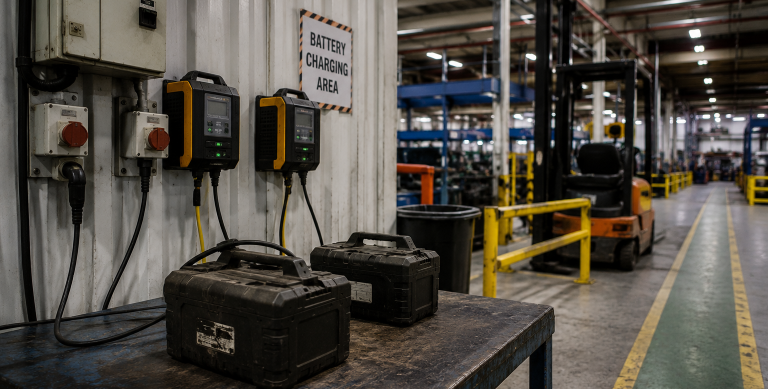
Managing Lithium-Ion Battery Fire Risks In Industrial Workplaces From forklifts and power tools to electric vehicles and battery-powered equipment, lithium-ion batteries have become an essential part
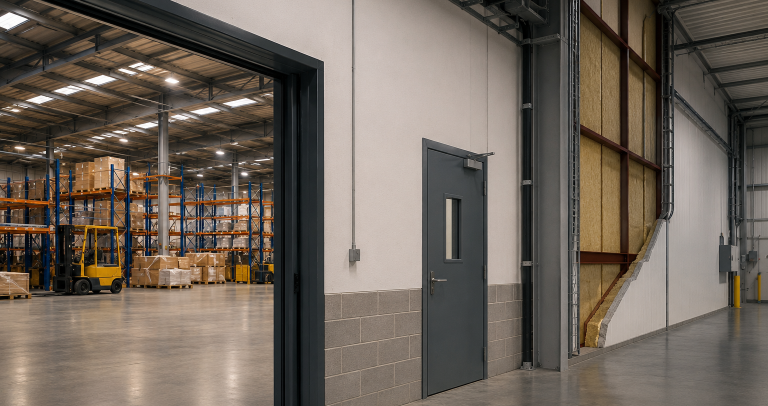
The importance of fire compartmentation in industrial premises Industrial premises are often home to large open spaces, complex machinery, valuable stock and high-risk manufacturing processes.

Preparing Your Site for a Fire Risk Assessment A Fire Risk Assessment (FRA) is one of the most important steps in ensuring your building is safe,
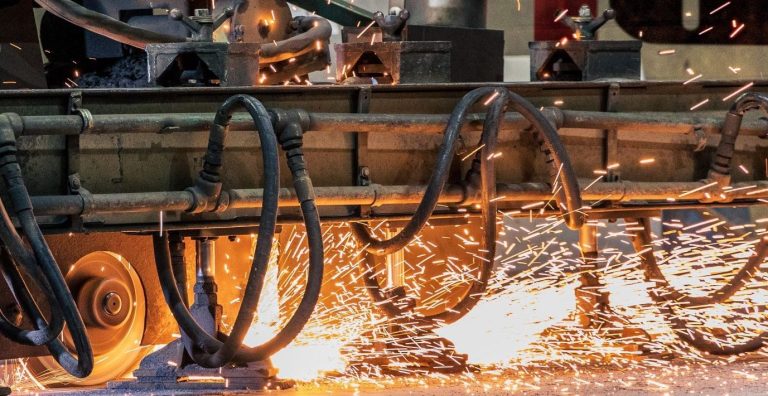
When Does My Manufacturing Business Need a DSEAR Assessment? Manufacturing businesses often work with materials, substances and processes that present a greater risk of fire
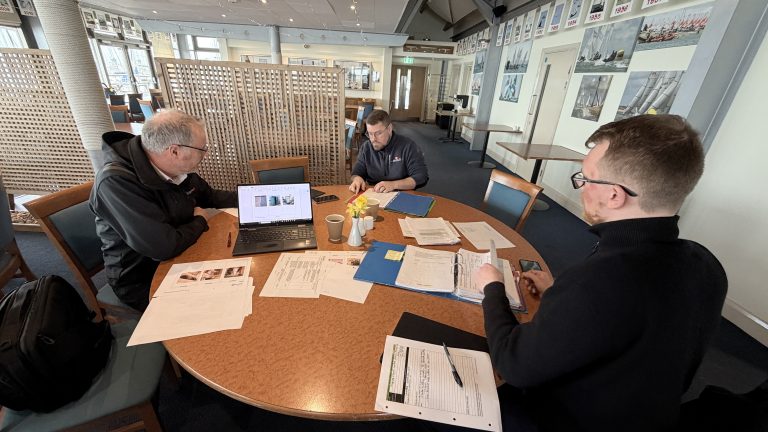
What makes a good fire risk assessment? If you’ve been searching for a Fire Risk Assessment, you’ve probably noticed that hundreds of companies appear to
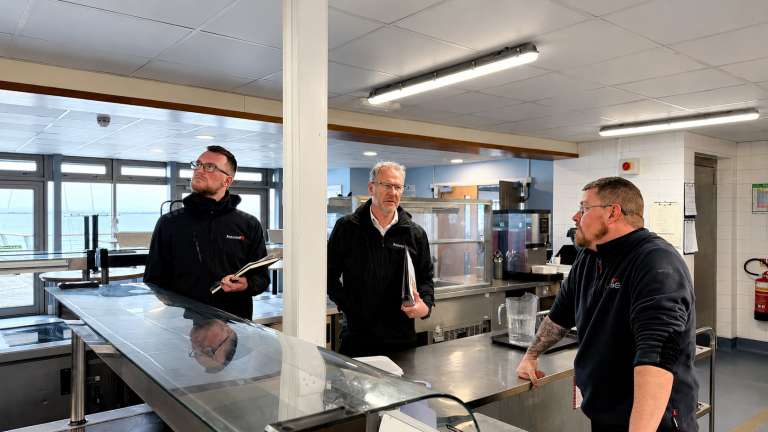
What Happens After a Fire Risk Assessment? A Simple Guide to UK Compliance A Fire Risk Assessment is often viewed as the finish line of

Why the Cheapest Fire Risk Assessment Often Becomes the Most Expensive When procuring a fire risk assessment, it’s understandable that cost is a key consideration.
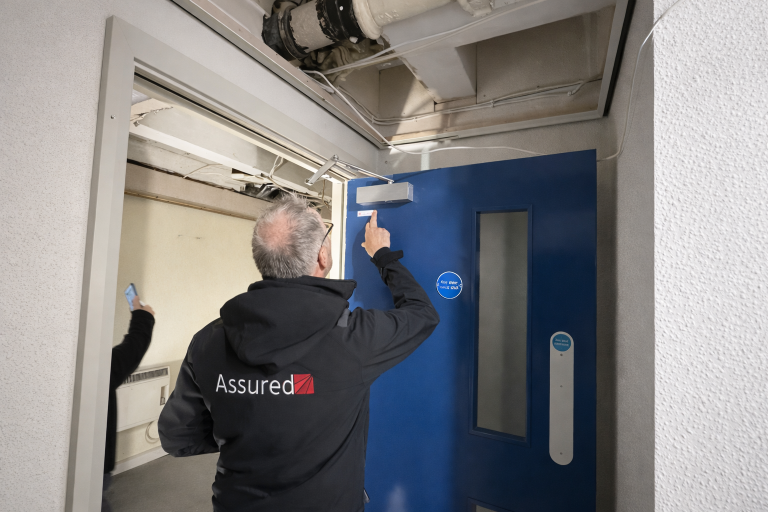
Why UKAS Third-Party Certified Fire Door Inspections Matter More Than Ever Fire doors play a critical role in protecting lives and property. Designed to resist
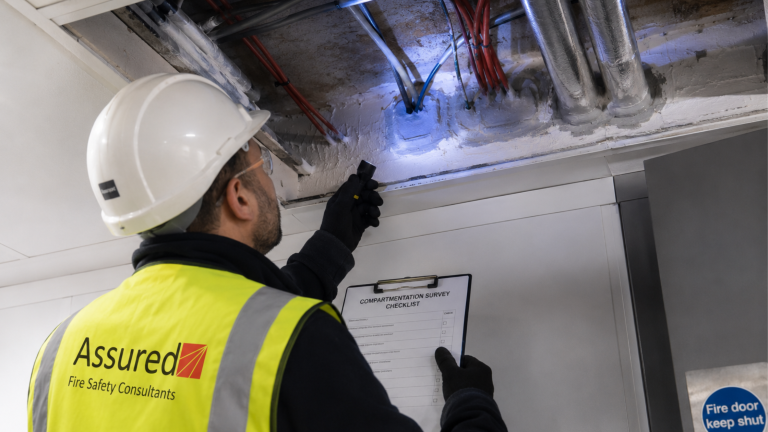
Do you need a compartmentation survey? 5 warning signs Every time a contractor installs new services, whether that’s electrical cabling, data infrastructure, ventilation systems, pipework,
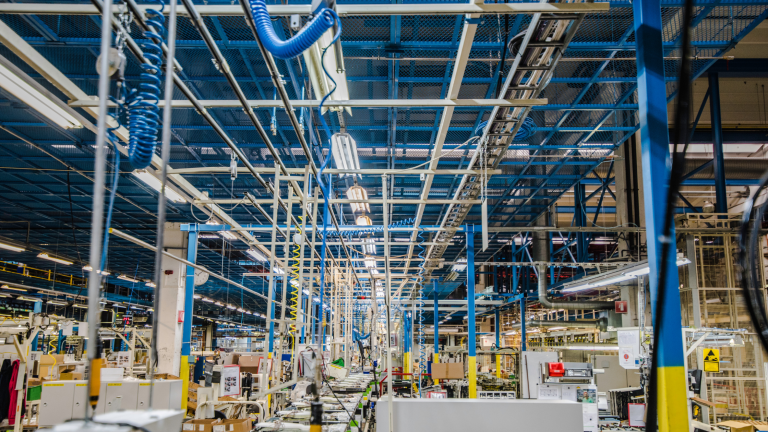
The Fire Risks of Industrial Storage: It’s not just what you store – it’s how you store it Industrial and warehouse environments are evolving rapidly.

HTM Guidance Explained: What Healthcare estates need to know Healthcare buildings are some of the most complex environments to manage from a fire safety perspective.
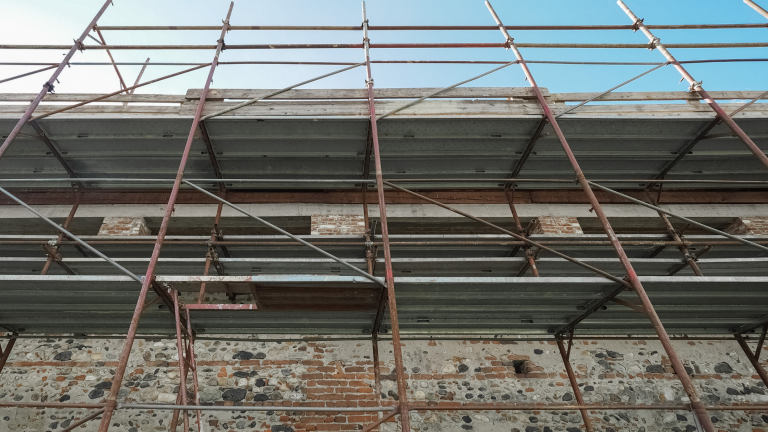
why fire strategies should be reviewed after refurbishment works Refurbishment projects can significantly alter how a building functions from a fire safety perspective — even

Understanding Fire Strategies in Healthcare Buildings Fire safety in healthcare environments requires a far more specialised and carefully coordinated approach than in many other commercial
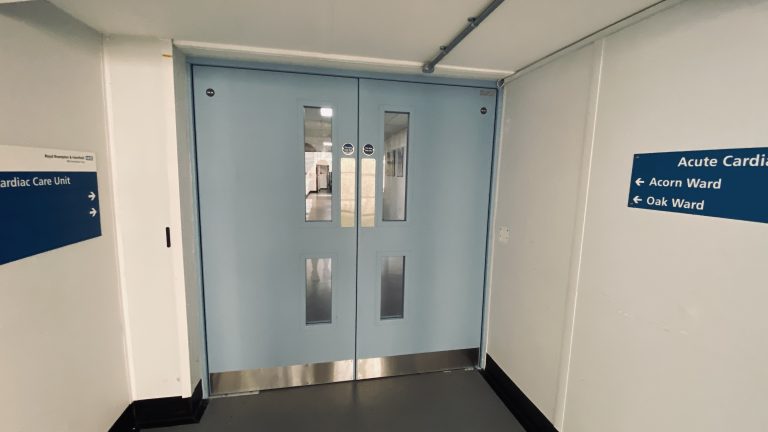
Fire Door Compliance In hospitals & Care Environments Fire doors play a critical role in protecting life and maintaining compartmentation within healthcare buildings. In hospitals,