
Case Study: Hayling Island Sailing Club
- Home
- Case Study: Hayling Island Sailing Club
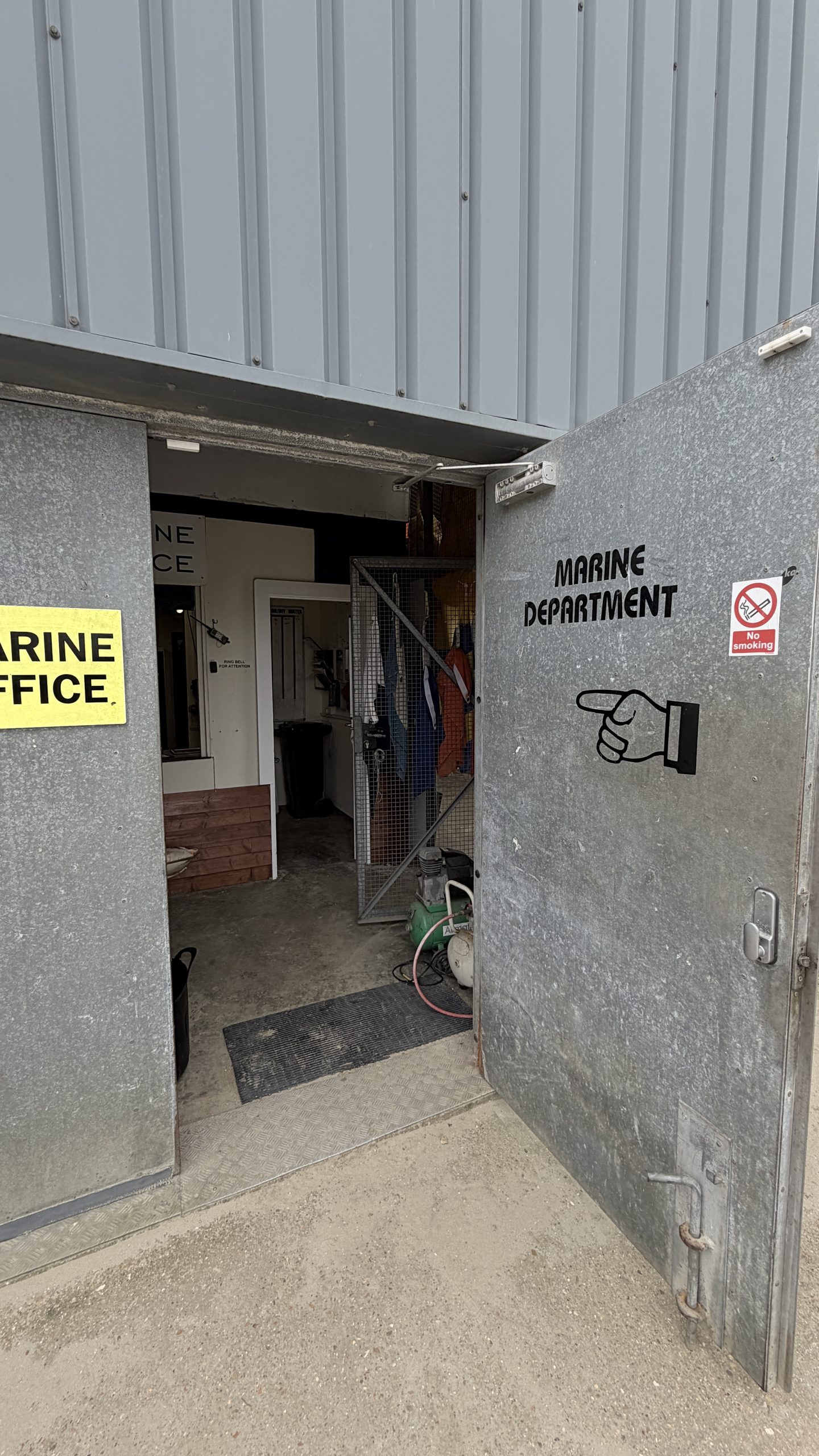
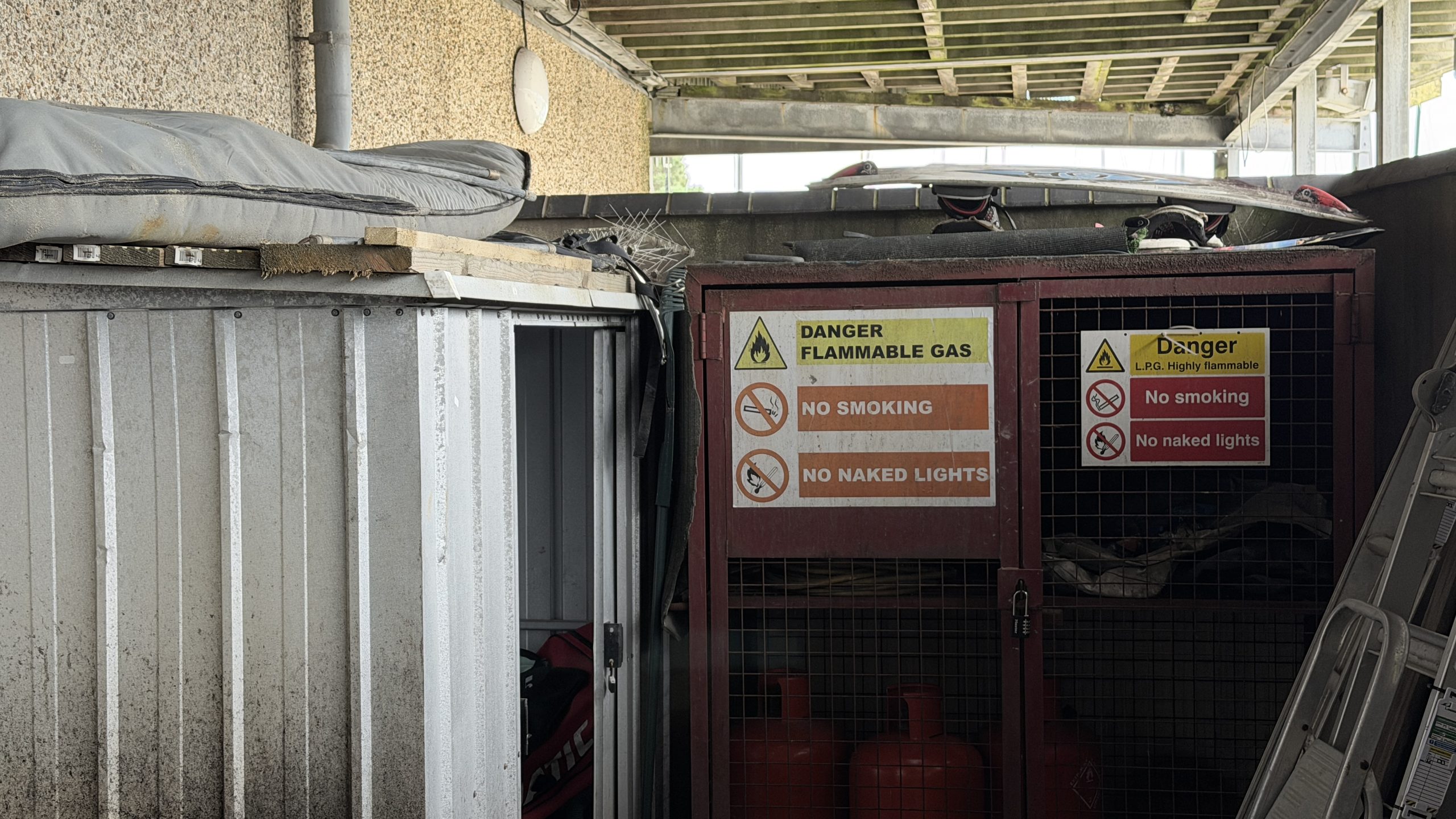
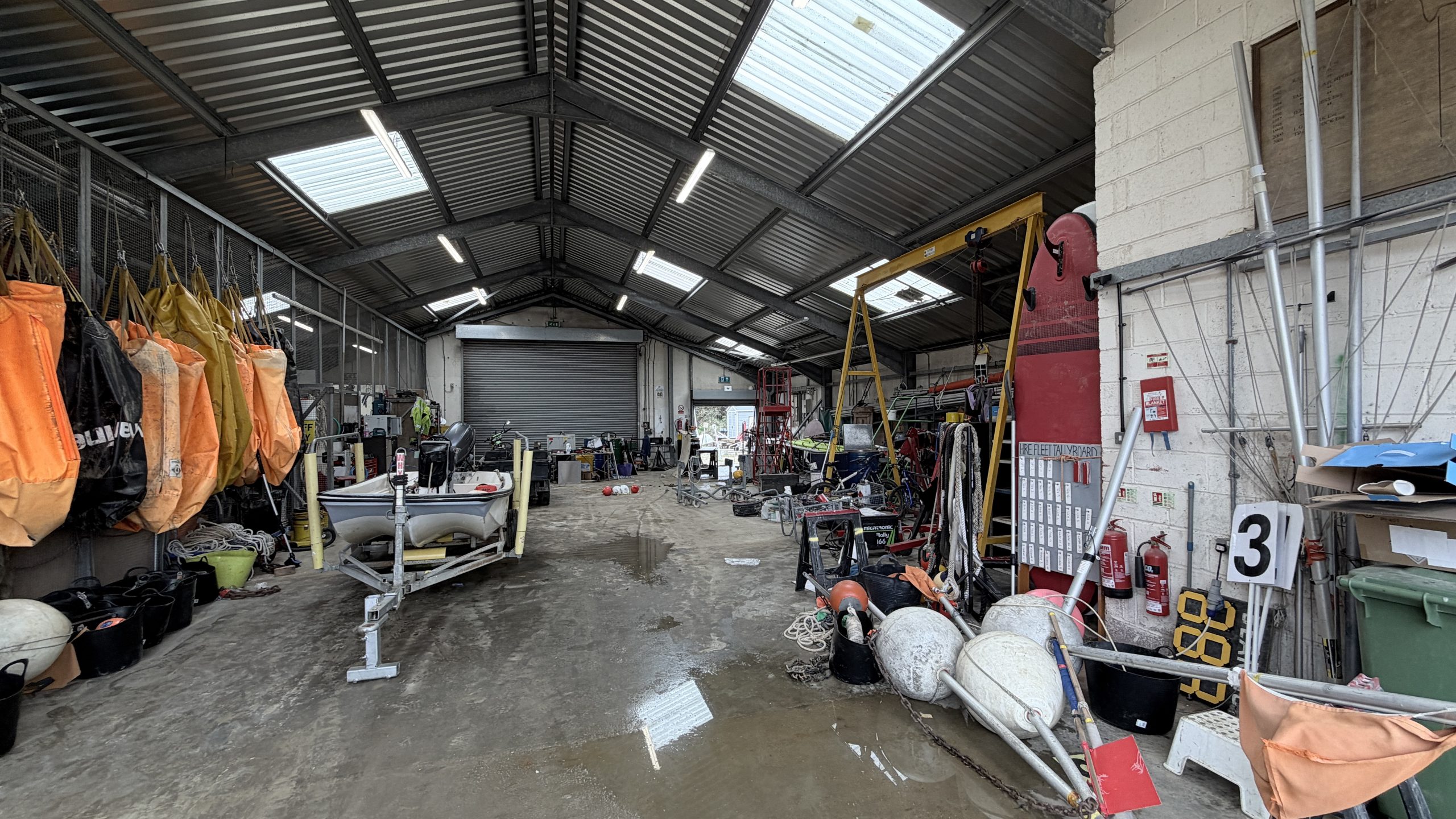
Project Information
- Project : From Fire Risk Assessment to Real Incident Protection
- Client: Hayling Island Sailing Club
- Location: Hayling Island
- Sector: Hospitality
Overview
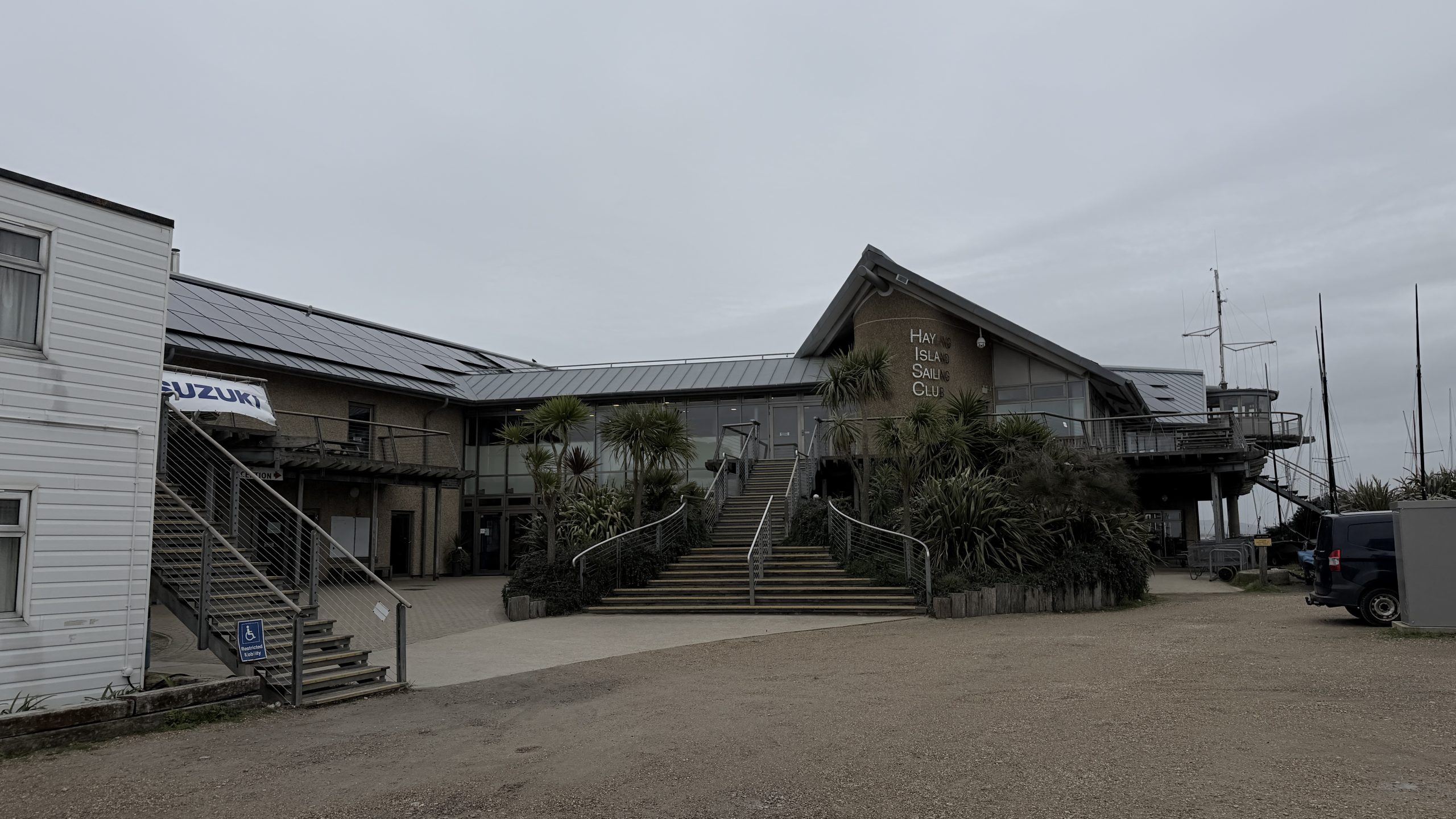
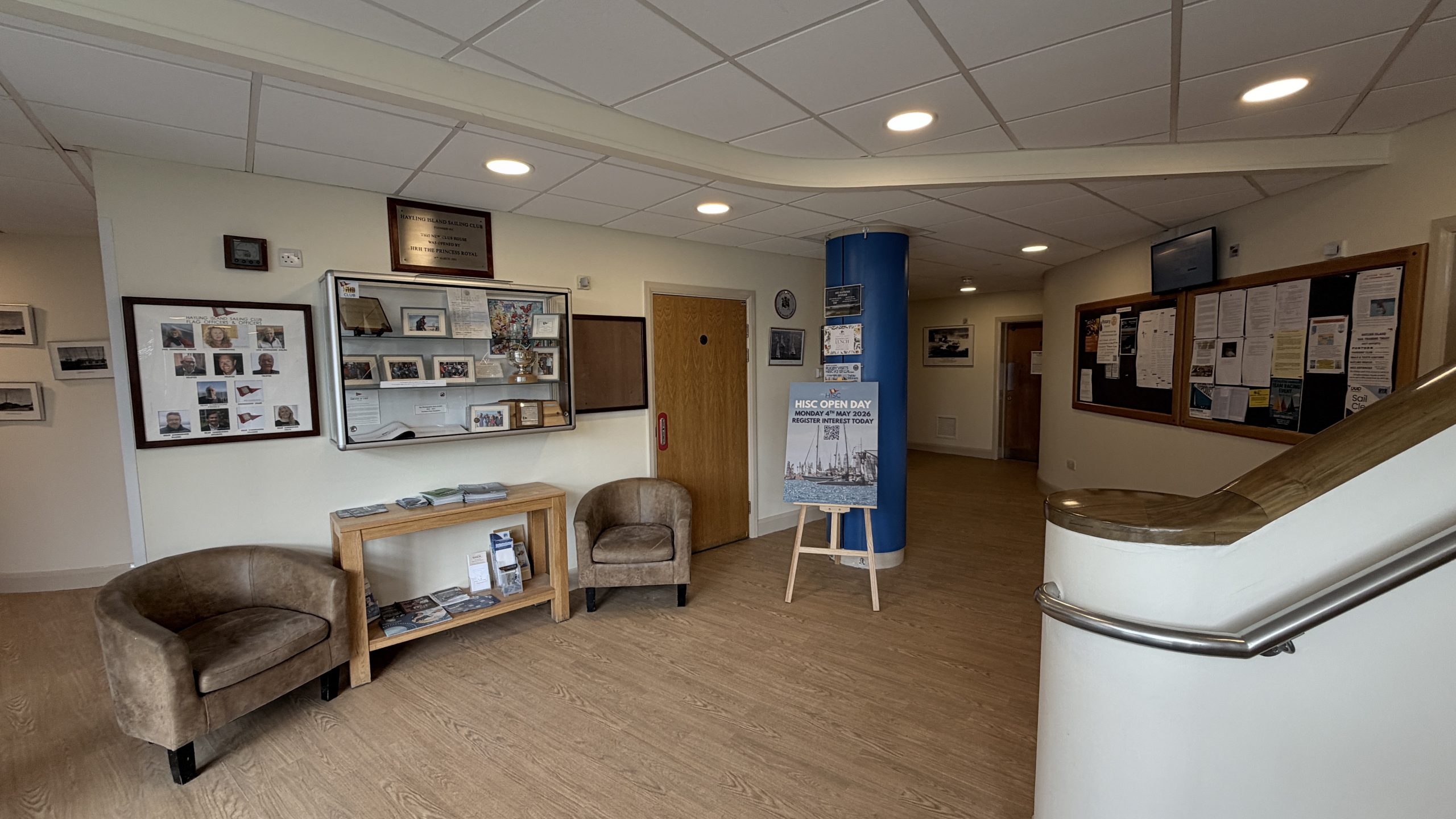
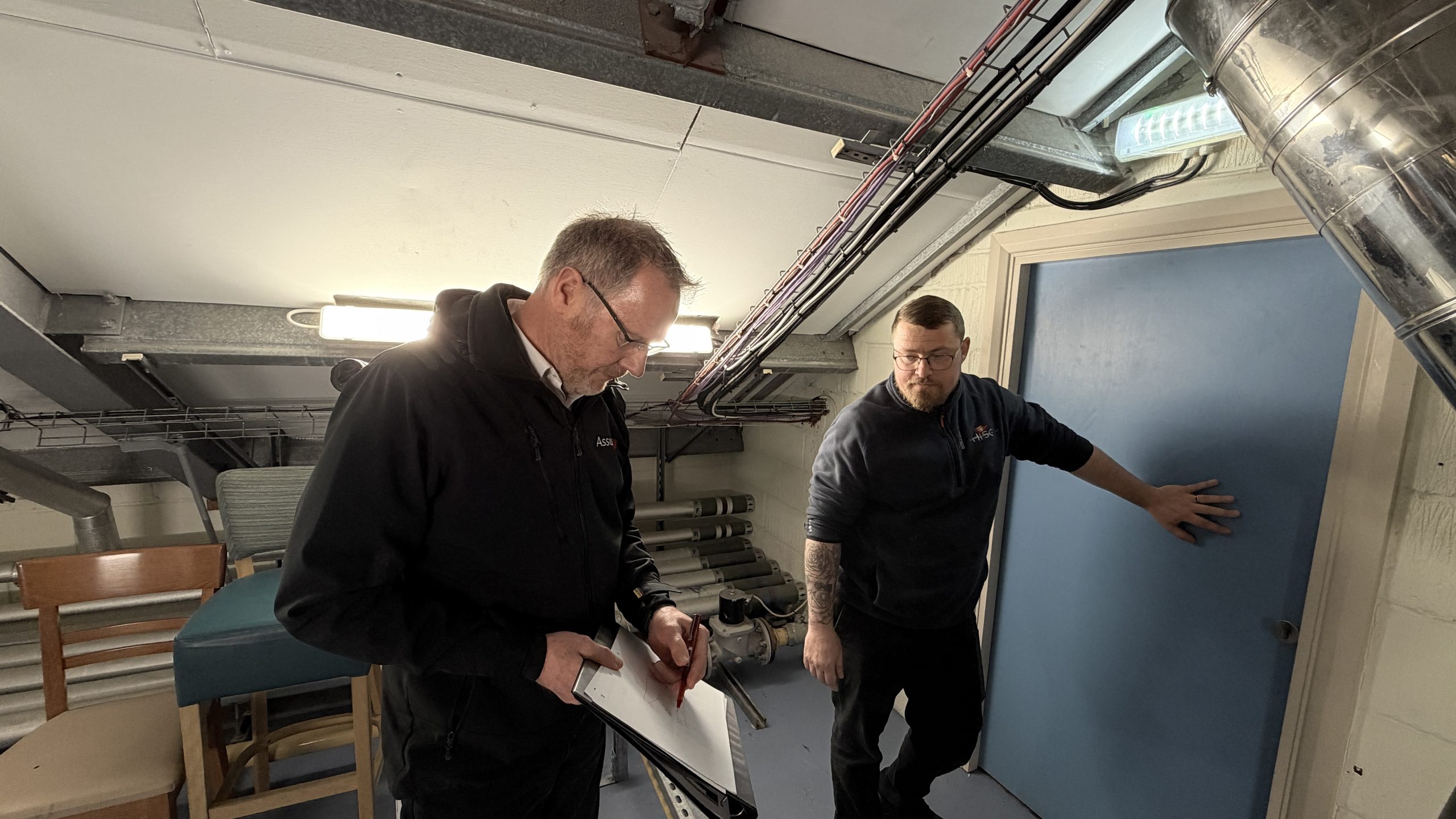
Hayling Island Sailing Club is a busy coastal venue, combining sailing operations, events, and accommodation. With varied building uses and high occupancy during peak periods, maintaining effective fire safety management is essential—without disrupting operations or revenue.
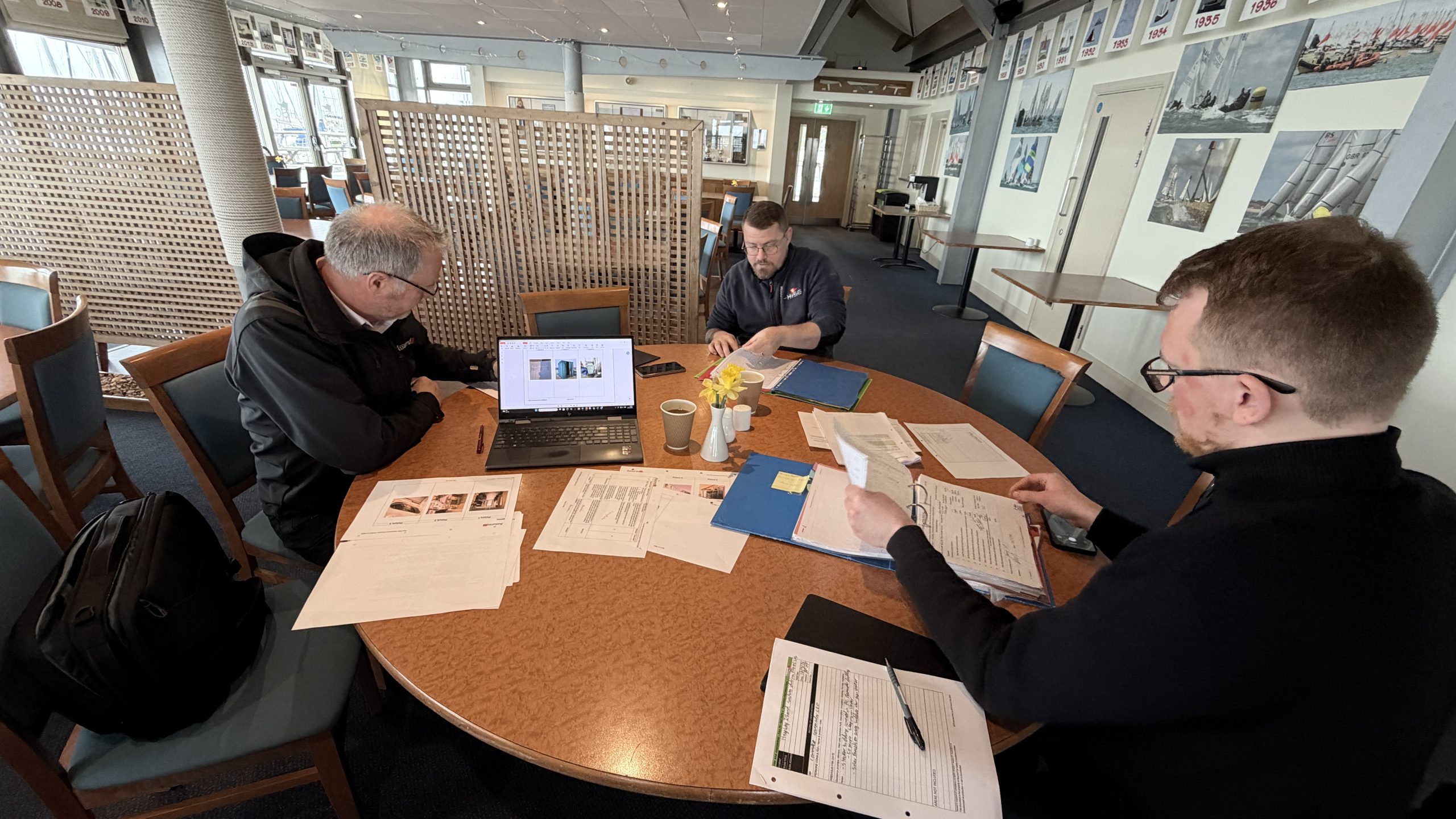
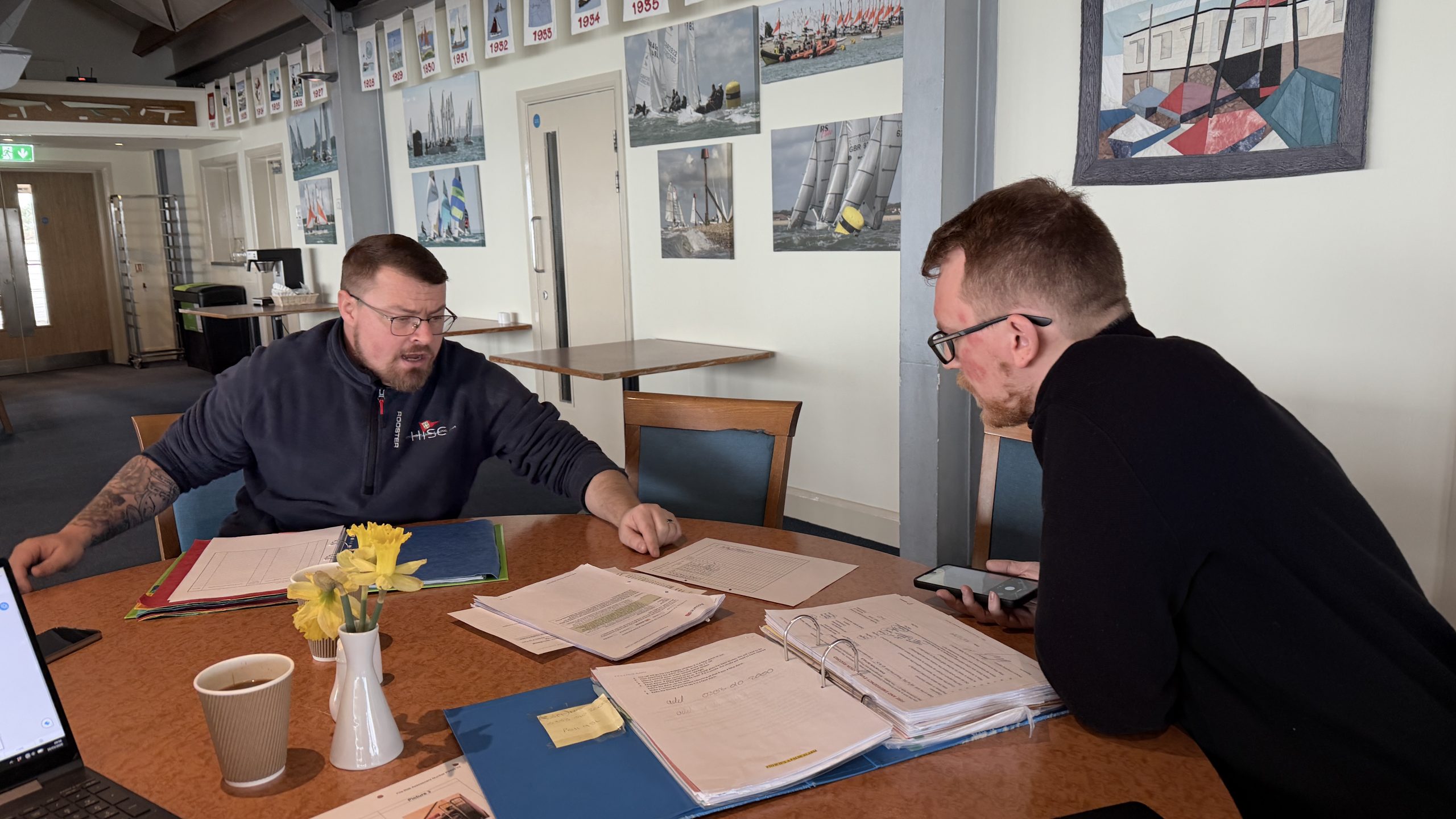
Over a three-year period, Assured Fire Safety Consultancy Ltd supported the club through a structured programme of Fire Risk Assessments (FRAs), focusing on continuous improvement, practical solutions, and long-term compliance.
The Challenge
Like many operational venues, the club faced a mix of challenges:
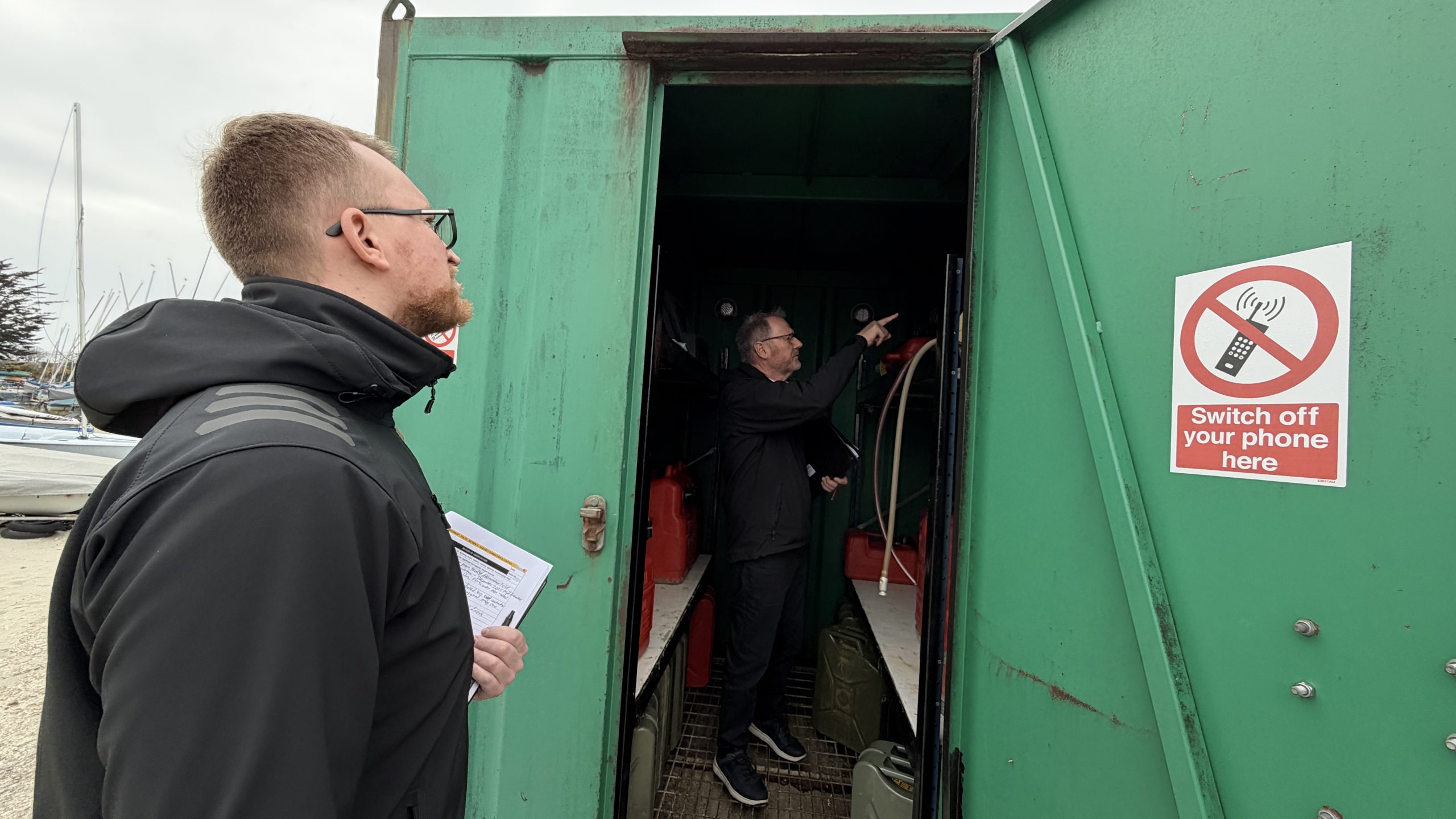
- Multi complex risk potential from welding to petrol storages, to student accommodation, to wedding venue
- Evolving building use and layout over time
- Storage, housekeeping, and escape route management
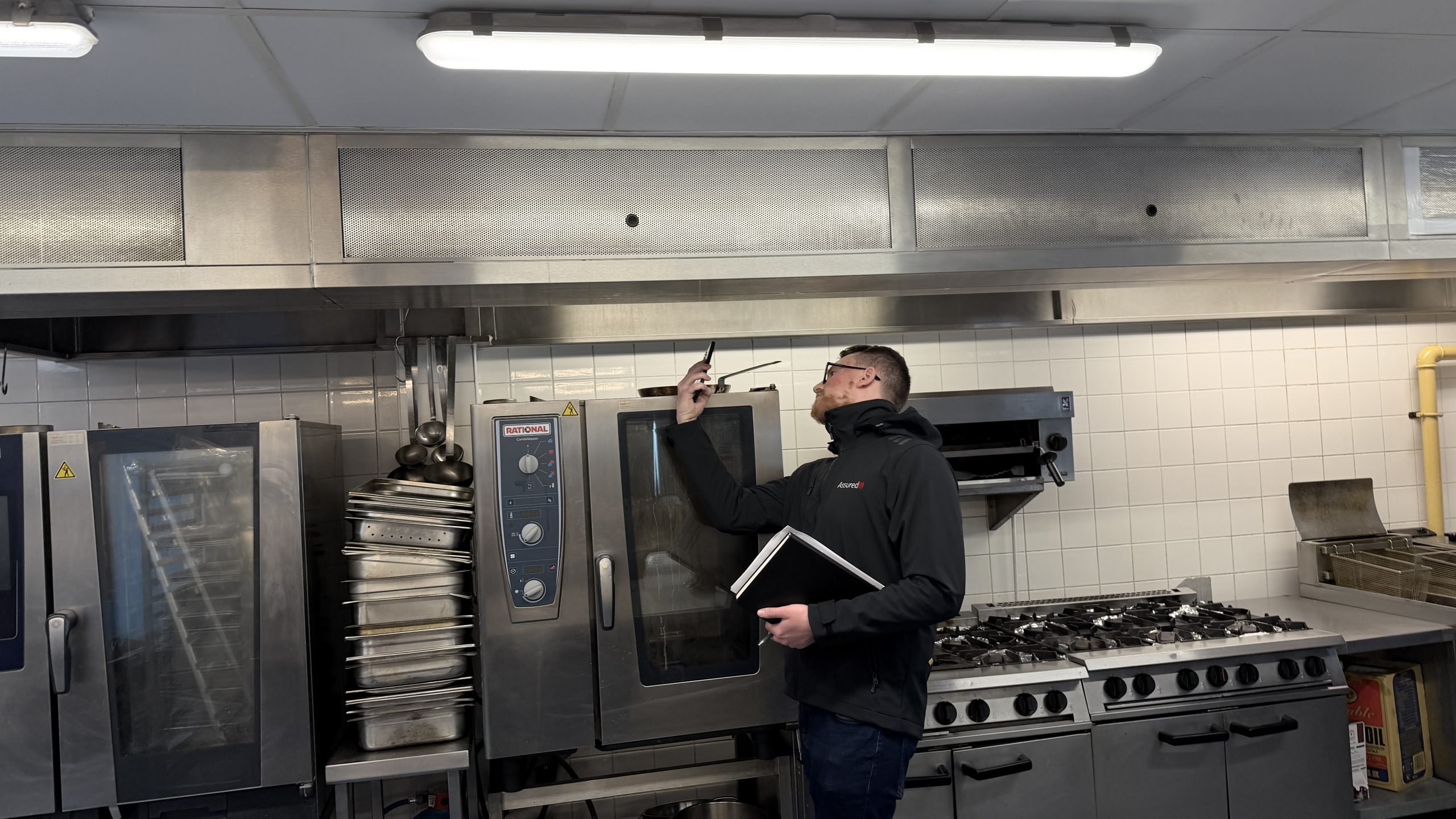
- Two commercial kitchen
- Balancing safety improvements with operational and financial constraints
- Need for clear, prioritised actions—not overwhelming reports
There was also a wider requirement to ensure fire safety measures remained aligned with current standards.
Our Approach
Pragmatic · Proportionate · Continuous
Rather than a one-off assessment, we implemented a three-year rolling Fire Risk Assessment strategy:
- Year 1 (Baseline Assessment):
Full Fire Risk Assessment identifying key risks and establishing a clear action plan - Year 2 (Review & Progress Tracking):
Measured progress against actions, refined priorities, and reduced outstanding risks - Year 3 (Targeted Review):
Focused on closing gaps, improving management systems, and embedding good practice
This approach ensured the club:
- Avoided unnecessary disruption and capital expenditure
- Spread investment over time
- Achieved steady, measurable improvement
Key Improvements Delivered
- Installation and optimisation of fire detection and alert systems
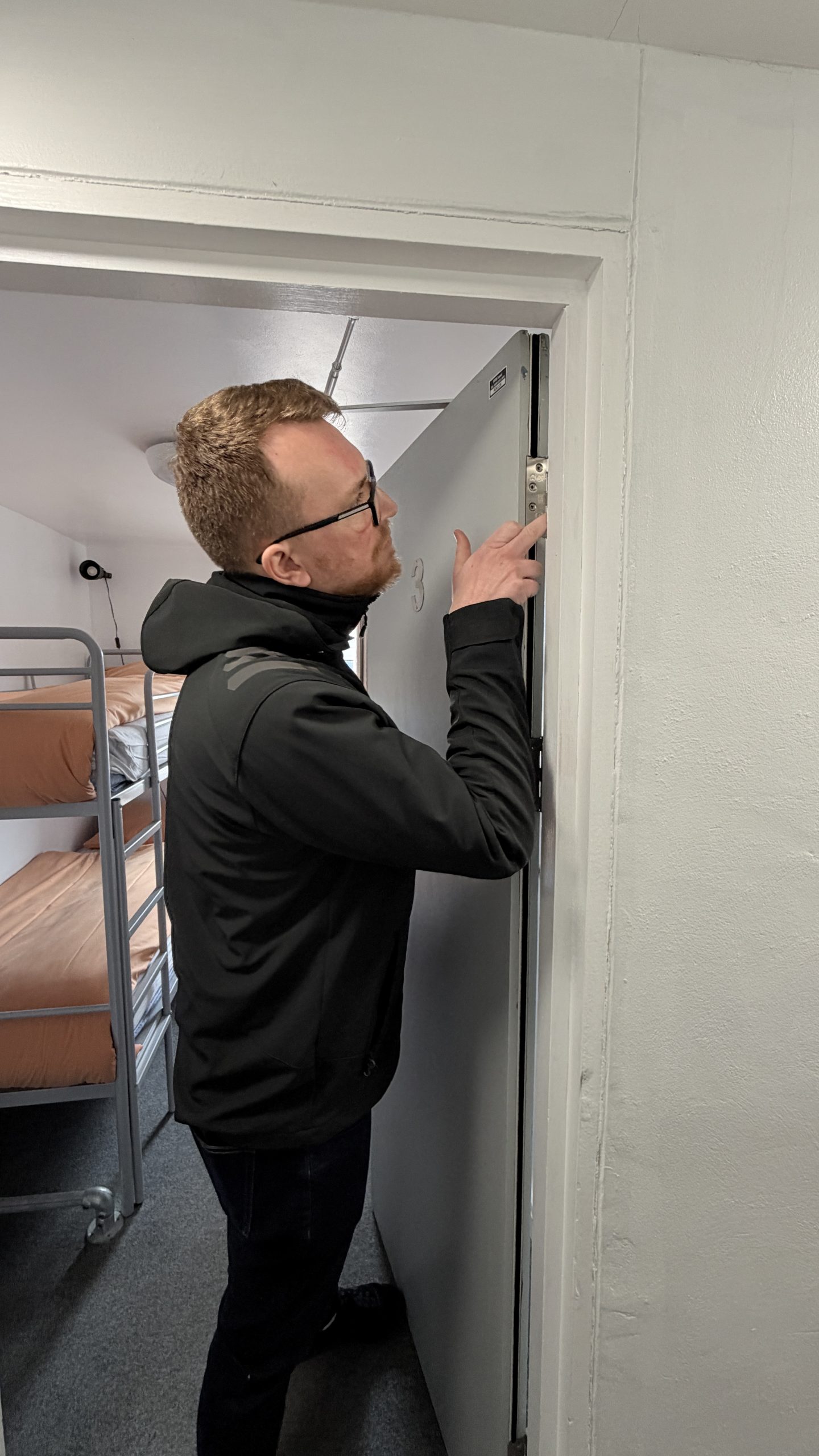
- Rapid step change improvement in fire safety on accommodation block within budgets
- Better control of electrical risks and equipment use
- Enhanced fire safety record keeping and logbook structure
- Practical guidance on higher-risk areas (e.g. workshops, fuel, wedding venue)
Why This Matters
This case highlights a key principle:
Fire Risk Assessments should not just identify problems—they should enable real-world protection.
By focusing on proportionate risk management, the club avoided both extremes:
- Over-spending on unnecessary measures
- Under-managing critical risks
Instead, they achieved:
- Improved compliance
- Better control of fire risks
- Confidence in decision-making
- Protection of business continuity
- Reputational enhancement amongst stakeholders
Ongoing Strategy
Fire safety at the club continues to evolve:
- Annual reviews ensure continued compliance and improvement
- Long-term planning supports future upgrades (e.g. building elements, materials)
- Fire safety is now embedded into operational decision-making
This reflects best practice under the Regulatory Reform (Fire Safety) Order 2005, where fire risk management is a continuous process—not a one-off exercise.
Client-Focused Outcome
✔ Steady improvement over three years
✔ Reduced risk profile and improved compliance
✔ Practical, prioritised action plans
✔ Real-life incident successfully managed
✔ Business protected from major disruption